
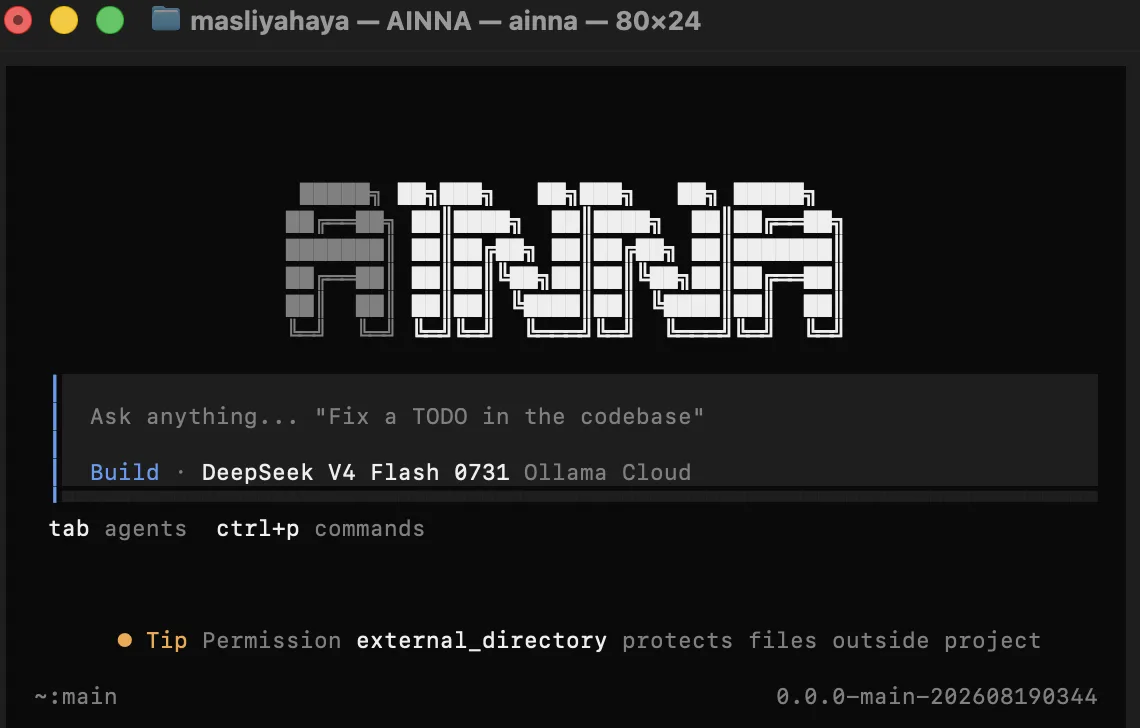
I am currently building and training an AI model specifically for 中小企业 use through AINNA NeuralOps. The 目标 is not to create another general-purpose chatbot, but to develop a specialised intelligence layer that understands real 中小企业 operations and can work directly with business 系统.
I am not training a 大 语言 模型 from scratch. I start with an open-source base model and fine-tune it using LoRA/QLoRA in a GPU notebook, with datasets derived from real 中小企业 use cases such as management reporting, 财务, HR, sales, inventory, customer service, and website operations.
I also use advanced LLMs as teacher models for knowledge distillation. These more capable models help me generate, improve, critique, and evaluate training examples, reasoning patterns, edge cases, and 中小企业-specific responses before the useful knowledge is transferred into a smaller specialised model.
My current workflow is: Advanced LLM Teacher → 中小企业 Dataset → 蒸馏 → LoRA/QLoRA → Specialised 中小企业 模型 → NeuralOps 智能体 安全带. The aim is to use powerful models for teaching, while using smaller models for day-to-day operational workloads.
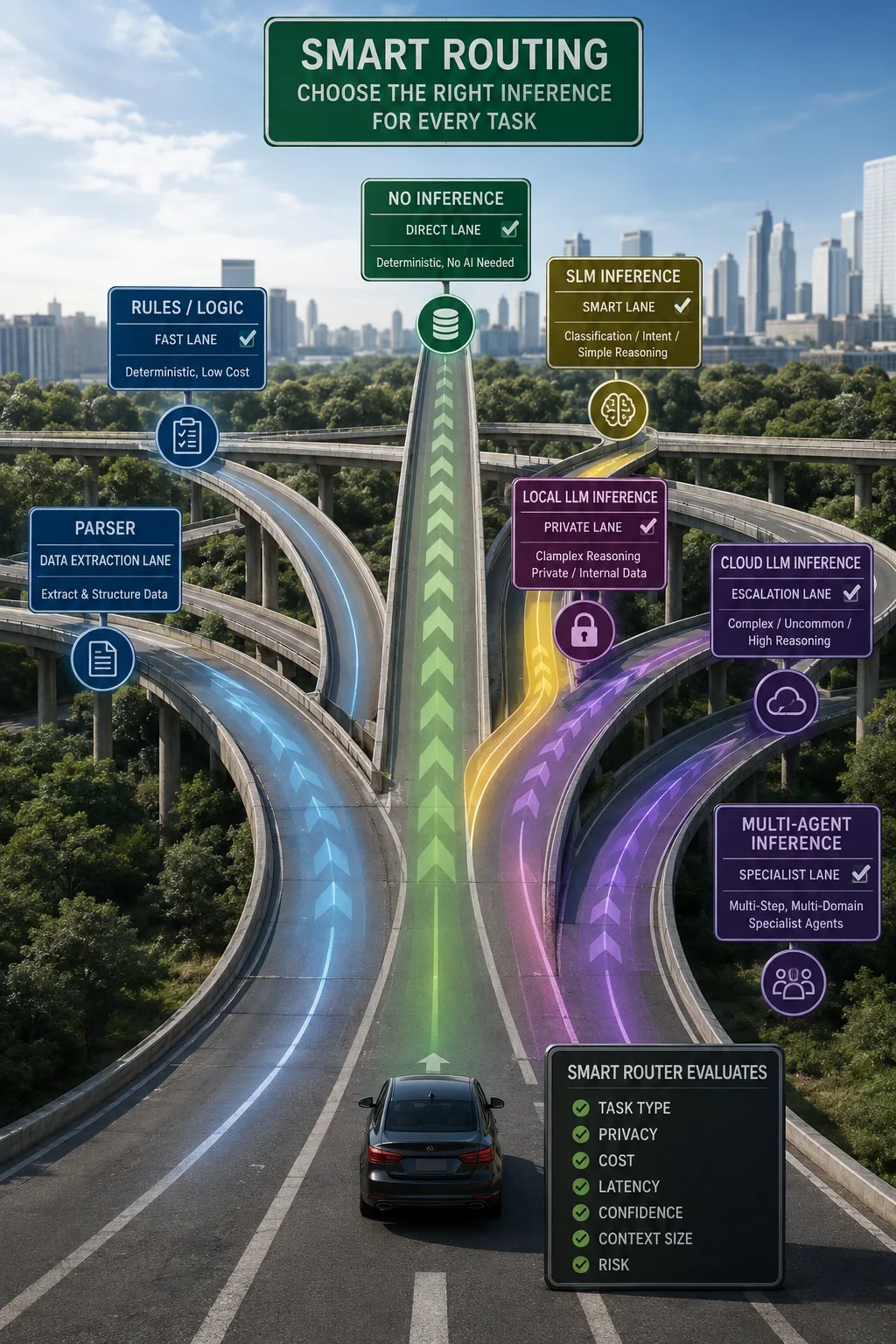
The specialised model is then harnessed inside NeuralOps, together with 智能路由, specialised agents, databases, APIs, and 分离式系统. NeuralOps determines which model, tool, data source, or workflow should handle each task instead of sending everything to one large LLM.
For simple and predictable tasks, I use deterministic 系统 such as PHP, Python, SQL, or business rules. For routine intelligence, NeuralOps can use the specialised 中小企业 model. Only more complex reasoning tasks are escalated to larger models, helping reduce unnecessary inference cost and dependency on external AI providers.
实时 business data also remains inside operational 系统 such as MySQL, HR, 财务, 库存, CRM, and reporting platforms. The model does not need to memorise the entire company. It learns how to understand 中小企业 operations, while the actual 系统 provide current and verifiable information.
The architecture I am building is essentially: 商业 系统 → NeuralOps → 智能路由 → Specialised 中小企业 模型 / 工具 / Advanced LLM → 验证 → 操作. My goal is to make AI more practical for 中小企业: smaller, specialised, cost-efficient, controllable, and integrated into real business 工作流 rather than existing only as a conversational assistant.
#AINNA #NeuralOps #AI #AgenticAI #中小企业 #LLM #KnowledgeDistillation #LoRA #QLoRA #OpenSourceAI #自动化 #BusinessIntelligence















Ruang pembaca
Apa pendapat anda?
Komen baharu dihantar untuk semakan terlebih dahulu. 名称 dan email diperlukan, tetapi email tidak dipaparkan kepada pembaca.
together with 智能路由, specialised agents这个说法我要拿回去跟同事讨论。 这点我还要再消化一下。
我特别喜欢reasoning patterns, edge cases这一部分,内容没有把实施过程说得太简单。
看第二遍才注意到python, SQL, or business rules的细节。
这篇内容让我更容易理解为什么open-source值得关注。
这篇文章把general-purpose讲得比一般的AI介绍更具体。
关于财务, 库存, CRM, and reporting的风险和限制还可以再展开,不过基础说明已经很好。
如果有更多improve, critique, and evaluate training的数据和结果会更完整。
我喜欢文章对data source, or workflow保持务实的态度。 这个部分我还需要再想一下。