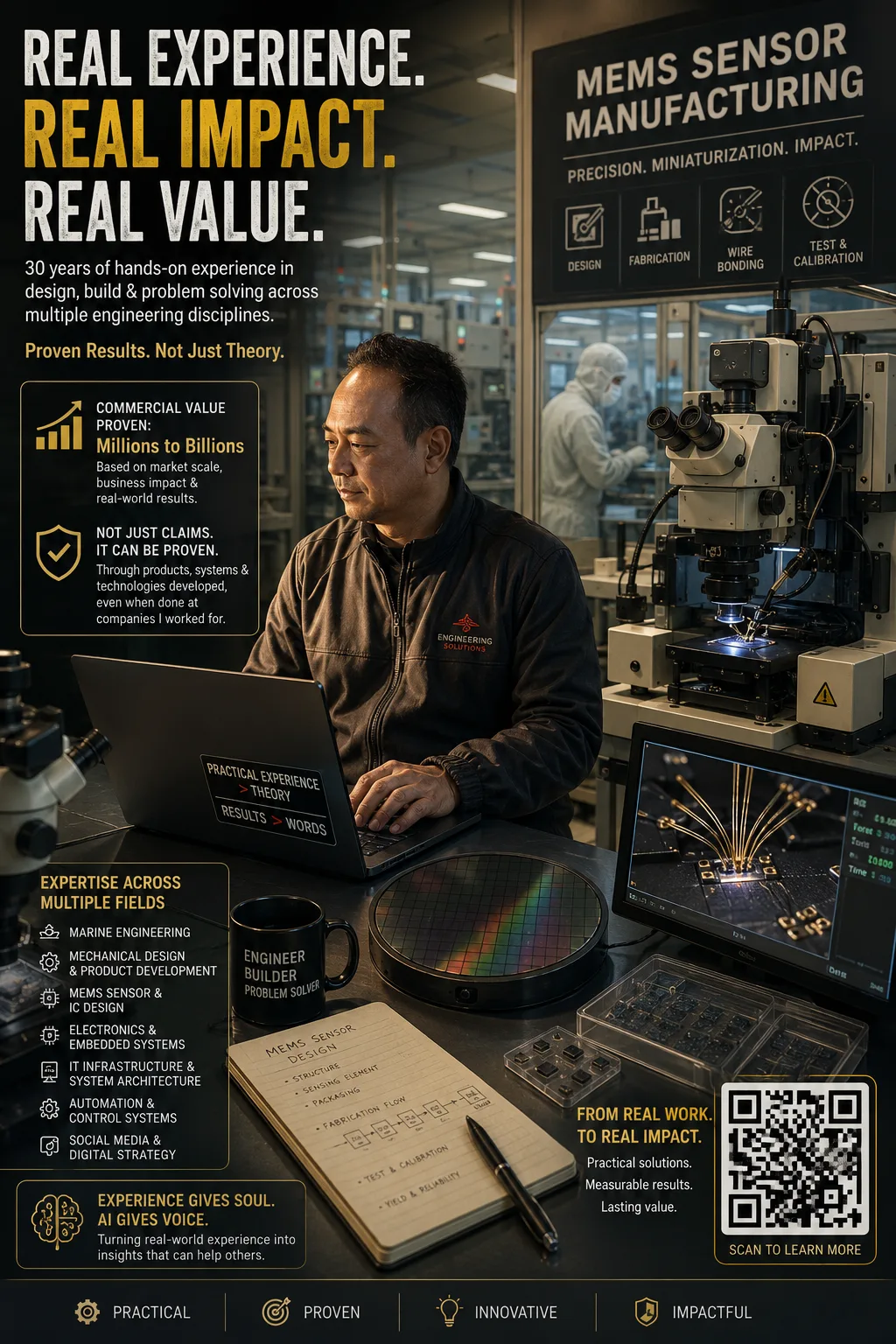
One weakness I have seen throughout my work as a 系统 engineer is writing clear technical articles.
My work has never been limited to diagrams or slide decks. I have spent most of my time in the field designing, deploying, and debugging real 系统: AI pipelines, IoT edge nodes, neural interfaces, and the integration 层 that keep production environments running. Some of the platforms I have contributed to now support commercial operations worth millions, and in some cases billions, measured by uptime, throughput, and business impact.
These are not abstract claims. They can be 已验证 in the running 系统, the API logs, the sensor data, and the NeuralOps dashboards that were shipped to production, often while I was working inside larger engineering organizations.
Yet deep 系统 experience does not automatically make someone a strong technical writer.
I have read countless technical articles written by people who are exceptionally skilled at writing. Their prose is clean, persuasive, and easy to scan.
But too often, the content feels disconnected from the field.
Many of those pieces are built on theories, second-hand knowledge, or ideas collected from conference talks. The writing is elegant, but it lacks something important: weight. It lacks the density that only comes from debugging a deployment at 2 a.m. or watching a model drift in production.
AI has changed that.
AI does not give me experience. 经验 comes from years of building, failing, patching, load-testing, and solving production incidents under pressure.
What AI gives me is the ability to organize those field experiences into clear, structured documentation without watering down their authenticity.
I believe millions of engineers, technicians, operators, and field teams around the world are in the same position. They carry years of practical knowledge about how AI, IoT, and neural 系统 actually behave in production, but they have never been able to communicate it effectively because technical writing was never their core skill.
To me, that is one of AI's greatest contributions to our industry.
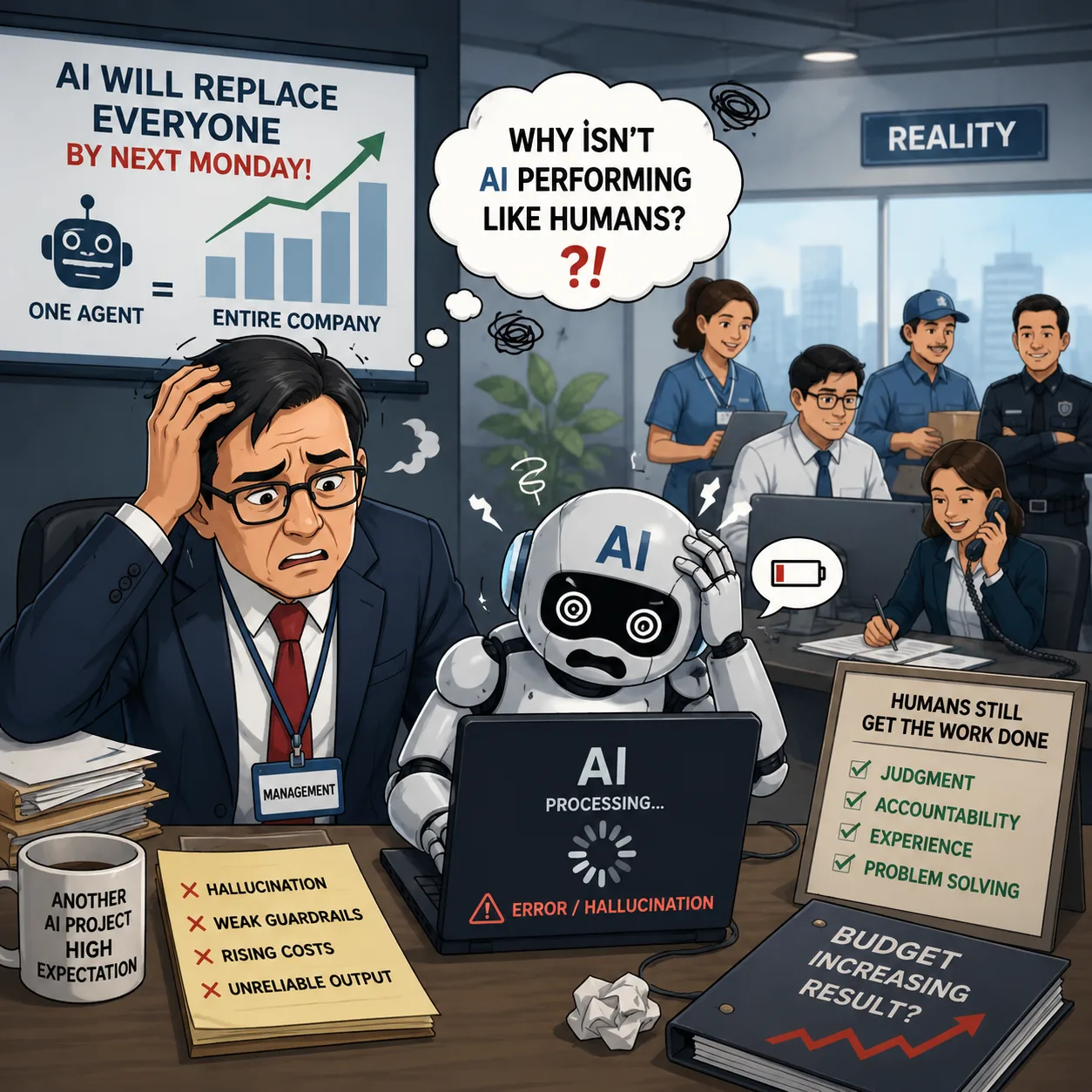
Not replacing human expertise, but giving a voice to the people whose knowledge was previously locked inside production 系统 and incident postmortems.
Field experience gives technical writing its weight. AI is just the transmission layer that carries it to its audience.















Ruang pembaca
Apa pendapat anda?
Komen baharu dihantar untuk semakan terlebih dahulu. 名称 dan email diperlukan, tetapi email tidak dipaparkan kepada pembaca.
这篇文章对failing, patching, load-testing, and solving的解释很清楚,实际操作的重点也很容易理解。 这点我还要再消化一下。
文章对AI is just the transmission的结论比较平衡,不只是强调好处。
我喜欢文章对yet deep 系统 experience保持务实的态度。
这篇文章把measured by uptime, throughput讲得比一般的AI介绍更具体。
文章把deploying, and debugging real 系统和日常运营联系起来,这一点很有帮助。
看第二遍才注意到their prose is clean, persuasive的细节。
我会把technicians, operators, and field teams这一段分享给需要了解技术的同事。
如果有更多what AI gives的数据和结果会更完整。 这个部分我还需要再想一下。
关于structured documentation without watering down的实际落地部分最吸引我。