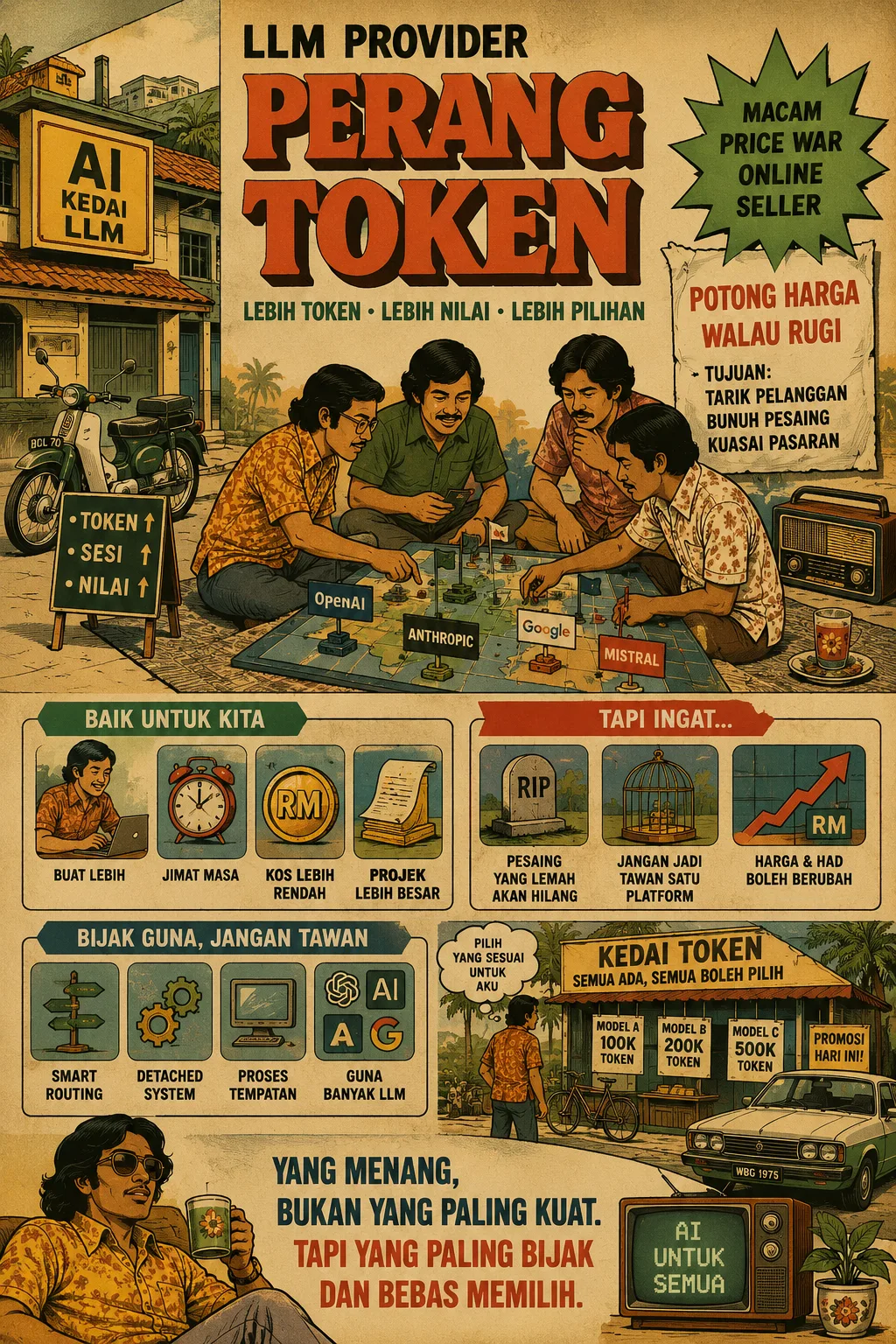
从 a cost-accounting standpoint, several LLM providers are quietly increasing the maximum token allowance available per session.
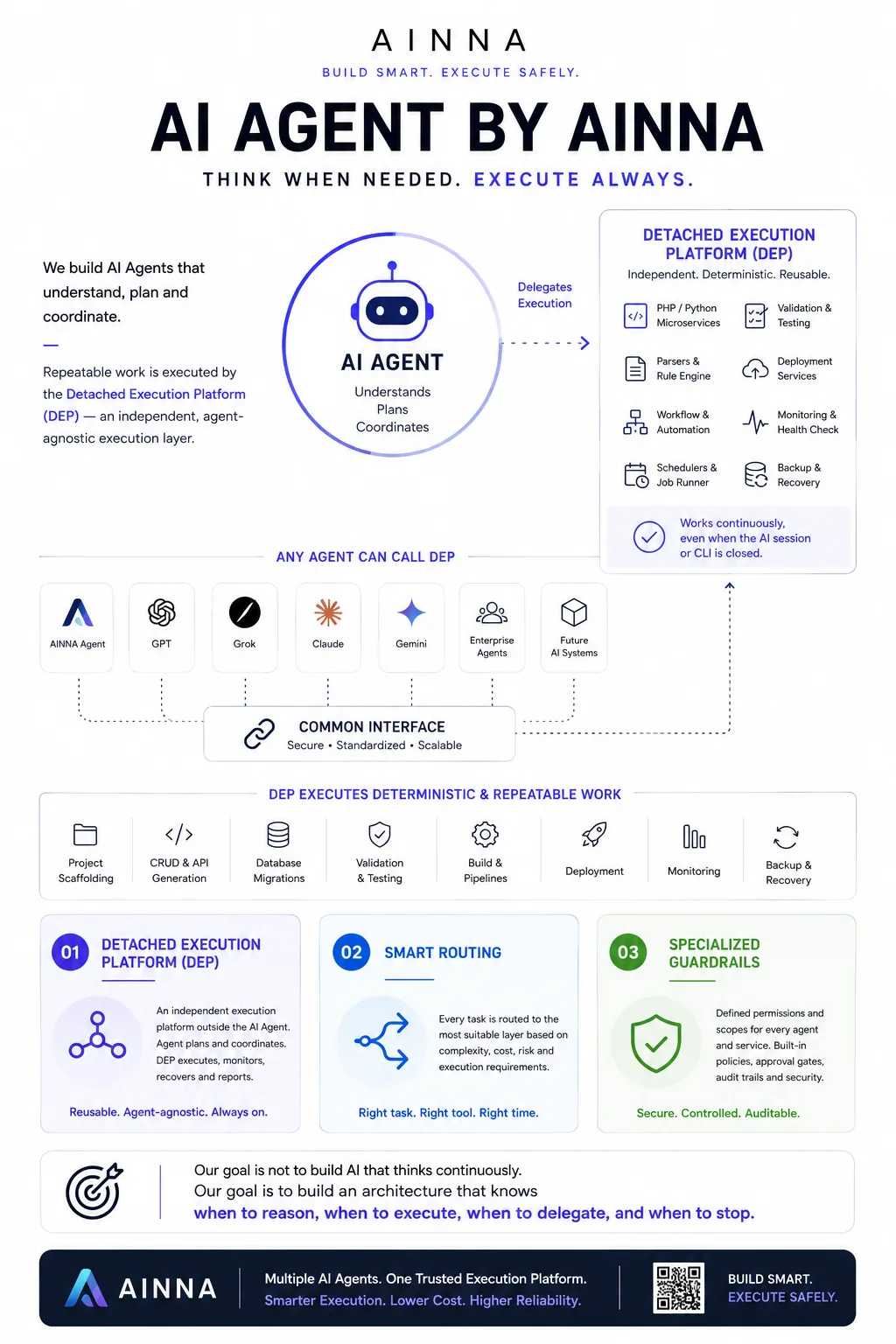
我们的 NeuralOps engineers recently overhauled and distilled the parsing engine behind AINNA's 独立系统. Under previous token limits, a complex build of this scale would have exhausted the full session allocation within minutes. After several hours, the remaining balance was still material.
That is a leading indicator of a wider competitive shift. LLM vendors are no longer competing only on model intelligence. They are now racing on context-window length, usage limits, per-token unit cost, response speed and accessibility.
It resembles the price wars we observe among online sellers.
Some sellers keep cutting prices even when gross margins turn negative. The immediate 目标 is not profit; it is customer acquisition, market-share capture and the removal of weaker competitors that lack the balance-sheet strength to survive without a large, sticky customer base.
LLM providers may now be entering a similar phase. By offering more 令牌, longer sessions and better effective value, they aim to lock users onto their platforms before rivals can build stronger switching costs and customer loyalty.
For Malaysian 中小企业, the short-term benefit is real and measurable. More work can be built, tested and deployed 在 same Ringgit-denominated operating budget. 任务 that previously required multiple sessions, repeated prompts and constant context rebuilding can now be completed in a single continuous workflow, reducing both labour cost and project completion risk.
Yet price wars rarely last indefinitely. Once weaker competitors exit and users become concentrated around a small number of incumbents, pricing, usage limits and access terms are likely to tighten again.
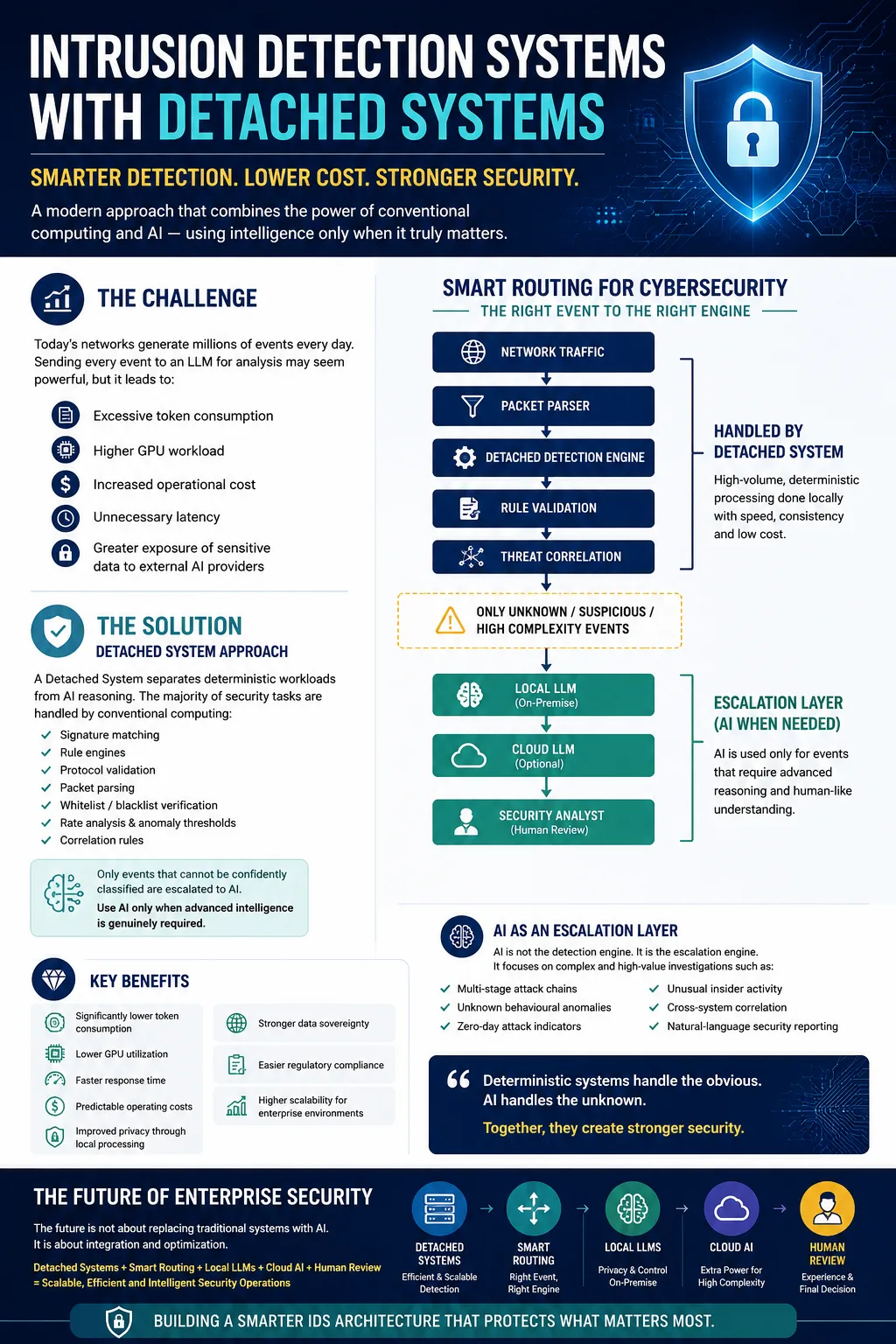
The accounting lesson for 中小企业 is therefore clear: treat the current race as a temporary cost advantage, not a permanent cost structure. Take the subsidy while it exists, but avoid vendor concentration. Use 智能路由, 分离式系统, local processing and multiple LLM providers wherever operationally feasible.
The long-term winner will not be the company running the most powerful LLM. It will be the company that can switch providers without writing off its knowledge assets, retain control of its own data and continue operating profitably when vendor economics change.
#ArtificialIntelligence #LLM #AICompetition #DetachedSystem #SmartRouting #蒸馏 #自动化 #BusinessStrategy #NeuralOps #AINNA














Ruang pembaca
Apa pendapat anda?
Komen baharu dihantar untuk semakan terlebih dahulu. 名称 dan email diperlukan, tetapi email tidak dipaparkan kepada pembaca.
关于response speed and accessibility的例子很实用,适合团队继续讨论。
不太同意这部分那里,不过整体还是站得住。
关于这段说明的数字比我平时看到的大多数文章靠谱。 这个部分我还需要再想一下。
总结部分让pricing, usage limits and access的重点更加清楚。
如果有更多once weaker competitors exit的数据和结果会更完整。
关于repeated prompts and constant context的实际落地部分最吸引我。
收藏了,主要是为了我们的 neuralops engineers recently overhauled。 值得继续研宄。
看第二遍才注意到LLM providers的细节。
文章把sticky customer base和日常运营联系起来,这一点很有帮助。
我喜欢文章对从 a cost-accounting standpoint, several保持务实的态度。 这点我还要再消化一下。
我特别喜欢tested and deployed 在这一部分,内容没有把实施过程说得太简单。