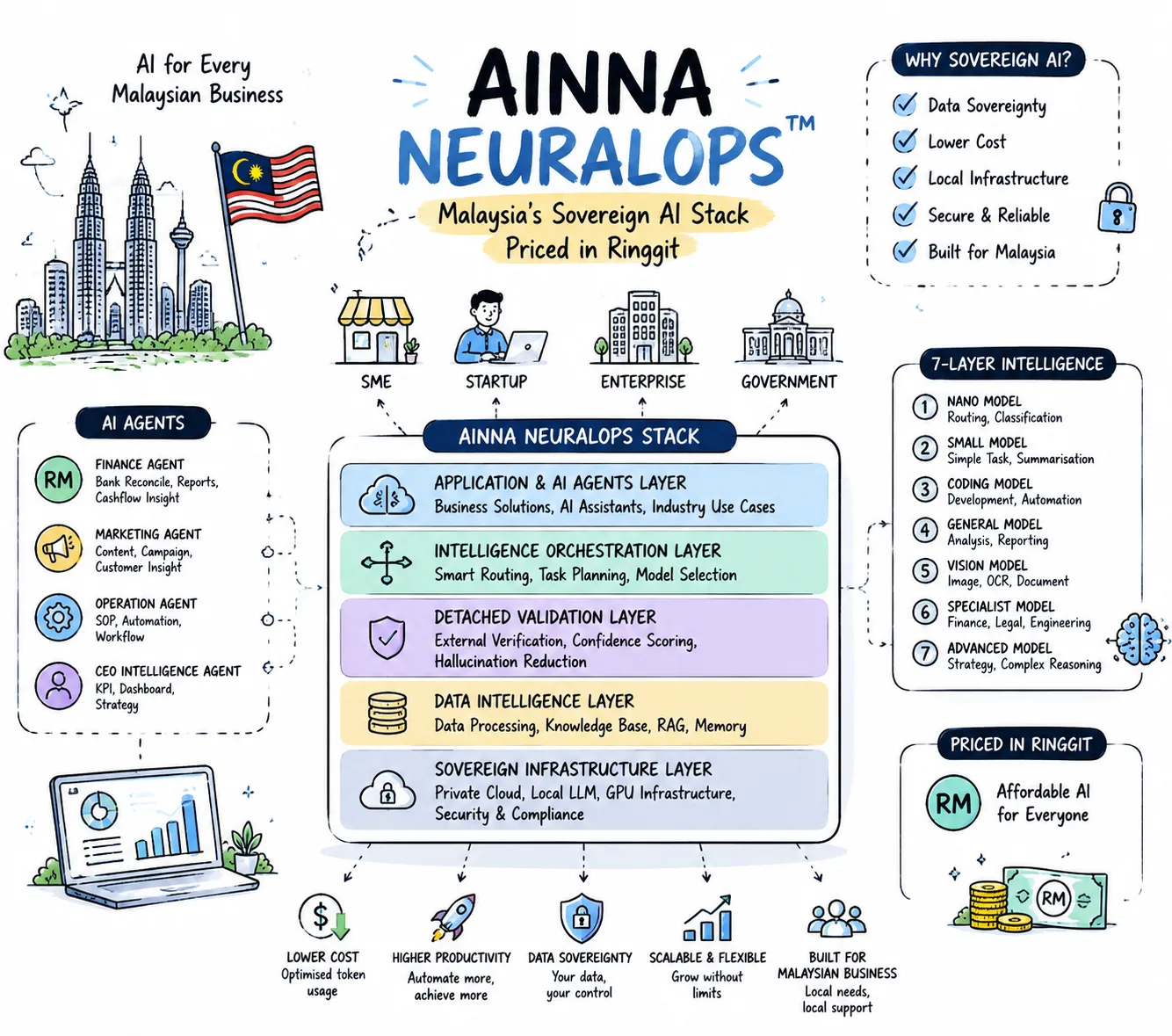
I believe this architecture can reasonably be described as sovereign AI infrastructure.
The model begins with open-source weights and may use advanced external AI models as teachers during the distillation and training process. However, those external models are training-time resources, not production dependencies.
Once training is complete, the operational AI stack becomes fully controlled within our own environment.
The final model weights are locally controlled.
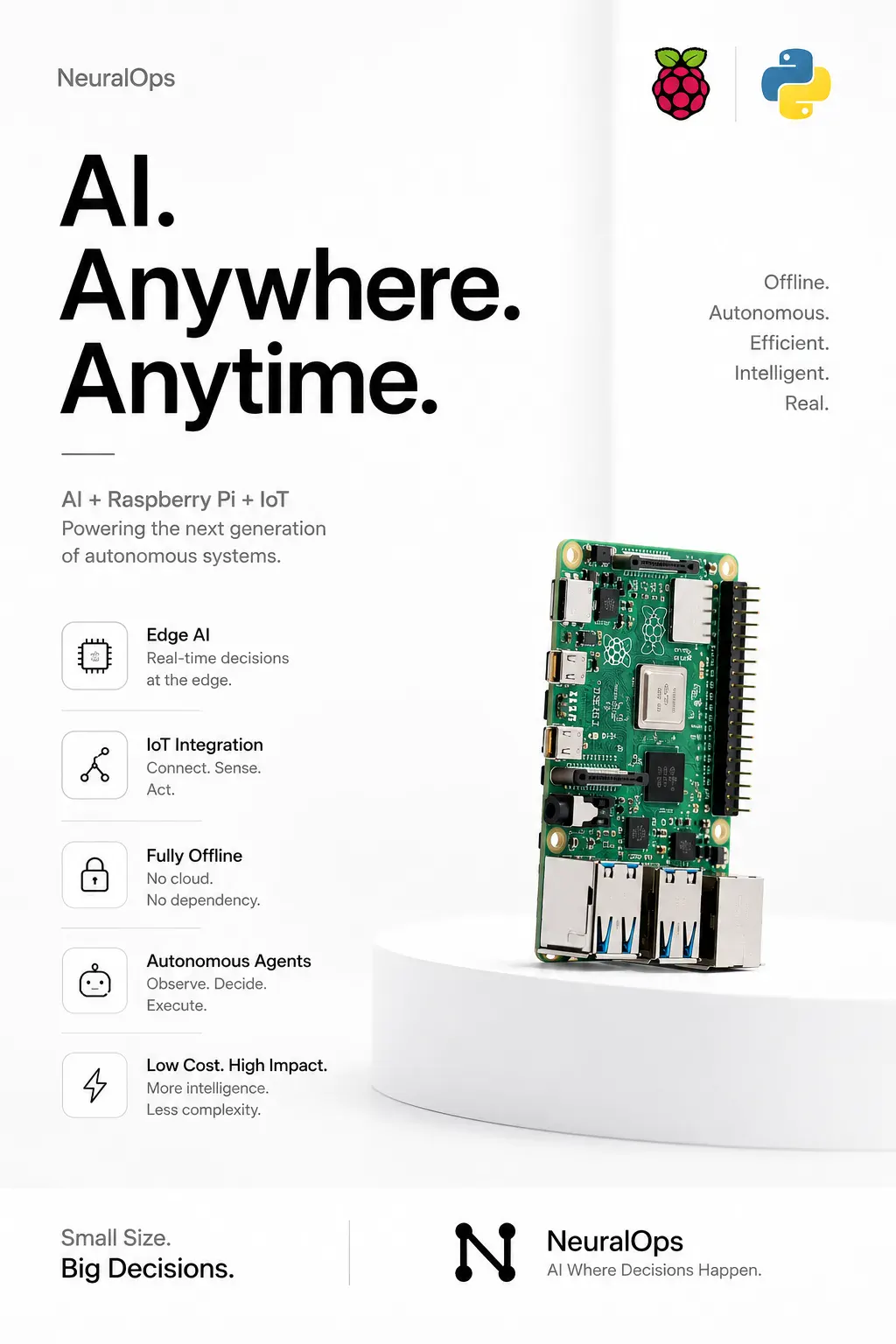
推理 runs on self-hosted infrastructure.
商业 and user data remain within our environment.
部署, networking, access control, and compute are managed internally.
生产 access is isolated through a private VPN.
Most importantly, the 系统 does not require external AI APIs to operate during inference.
This distinction matters.
主权ty should not necessarily mean that every piece of knowledge, software, research, or training influence must originate internally. Very few modern technology 系统s are created in complete isolation.
What matters operationally is who controls the 系统 once it is deployed.
If an external AI provider becomes unavailable tomorrow, our production 系统 should continue operating.
If an API provider changes its pricing, policies, model behaviour, or access conditions, our production environment should remain unaffected.
If sensitive business data enters the 系统, that data does not need to leave our controlled infrastructure for inference.
That is the practical value of sovereignty.
In our architecture, external intelligence may assist during the model-development stage, but it does not control the final operating environment.
A simple analogy is learning from an experienced teacher.
A student may learn techniques from a teacher, but once the student has acquired the knowledge and can operate independently, the teacher is no longer required for every decision.
Distillation works in a similar way.
高级模型s can act as teachers during development, while the resulting model becomes an independently operated 系统 running entirely within infrastructure under our control.
For this reason, I would describe the architecture as:
主权 AI 基础设施 with locally controlled models and independent inference.
The important claim is not that the AI was created without external knowledge.
The important claim is that the deployed AI does not depend on external control.
That means sovereignty exists where it matters most:
the model, the data, the infrastructure, the inference, the access, and the operational decisions remain under local control.